Bog standard life of Lane-Fox tenants
Locals and landlords
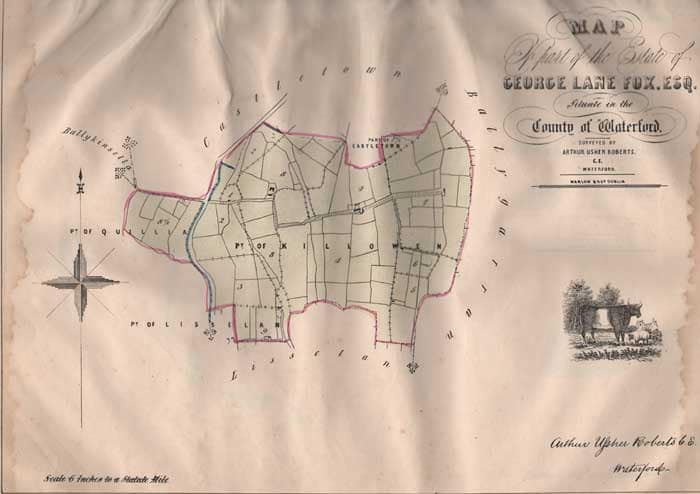
For the most part, the Lane-Foxes were absentee landlords in Ireland, having been granted large holdings in several counties, including Waterford, following 1666 Land Act revisions of Cromwell’s resettlements.
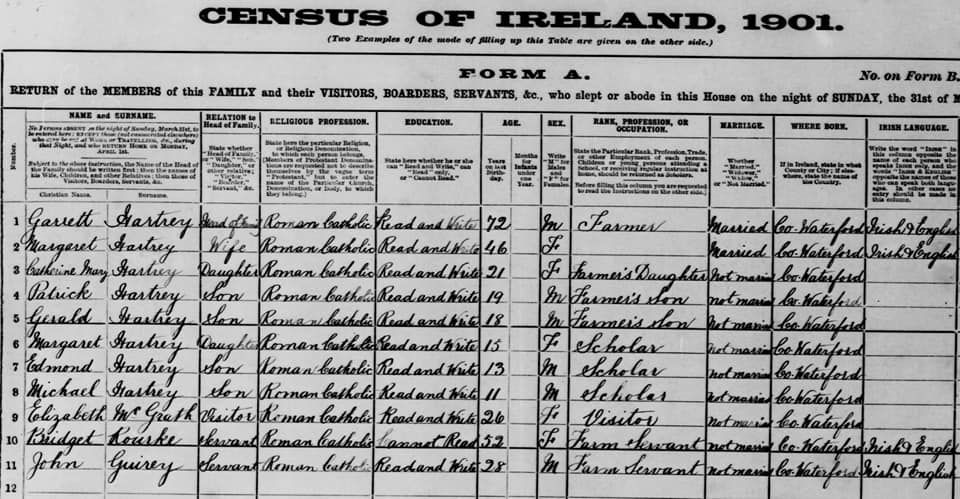
Members of the Hartrey (Hartery/Hartry) family — namely William, Nicholas, and John — were recorded as leasing houses from the Lane-Fox Estate at Carriganard, Butlerstown, in 1848.
William occupied a dwelling valued at £12, 7s while Nicholas lived in one worth £10. John was also leasing a similarly since-extinct property at Carriganard from the same estate, valued at £12, 5s at that time.
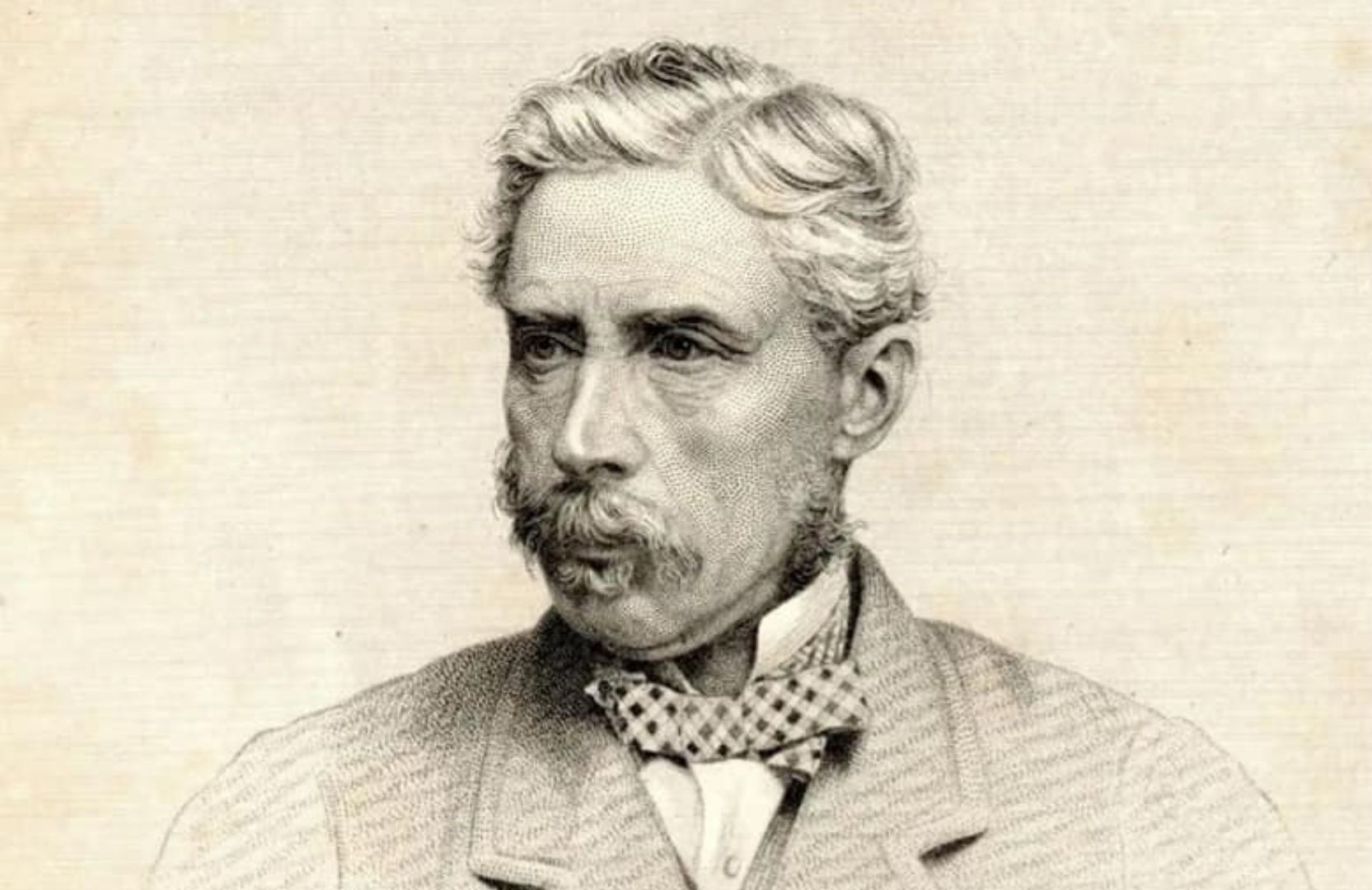
Their estates (which would amount to over 5,000 acres in Waterford in the 1870s) were managed by a succession of agents in subsequent eras. By the mid-19th century Griffith’s Valuation, Yorkshire MP George Lane-Fox was among the principal lessors in the Waterford parishes of Drumcannon and Kilburne, Barony of Middlethird. Two years earlier, in 1848, he also held townlands in the parish of Kilbarry, barony of Gaultiere.
George was accused of charging exorbitant rents for poor, often boggy land. Also, his elderly agent, a Mr Stuart, acted as matchmaker general as well as bailiff. No tenant could marry without his consent and this went on for 30 years after the Famine. He was succeeded by a Joshua Kelly, who stayed in the Grand Hotel, Tramore when keeping an eye on things here.
Though there were no writs nor evictions in George Lane-Fox’s sixty-year hold over Kilbarry, and pre-Famine rent arrears were written off, it was claimed tenants in the impoverished Kilbarry Bogs area were forced to sign a statement refuting claims they were maltreated.
Certainly, Lane-Fox, speaking in the House of Lords, had advocated violent action, including torture, to quell freedom-minded agitation by serfs in Ireland.
In 1857 George first offered over 3,000 acres of his Waterford holdings for sale in the Encumbered Estates Court. Thirty years later Lane-Fox sold his Kilbarry interest to individual tenant farmers for between 12 and 18 years’ rent, depending on the speed of payment. His family sold the bulk of their remaining Irish estates to the Land Commission in the early 1900s.
Post Comment